Vibrating Sample Magnetometer (VSM)
Vibrating sample magnetometer systems for measuring magnetisation, hysteresis loops and magnetic moment as a function of magnetic field and temperature in soft and hard magnetic materials.
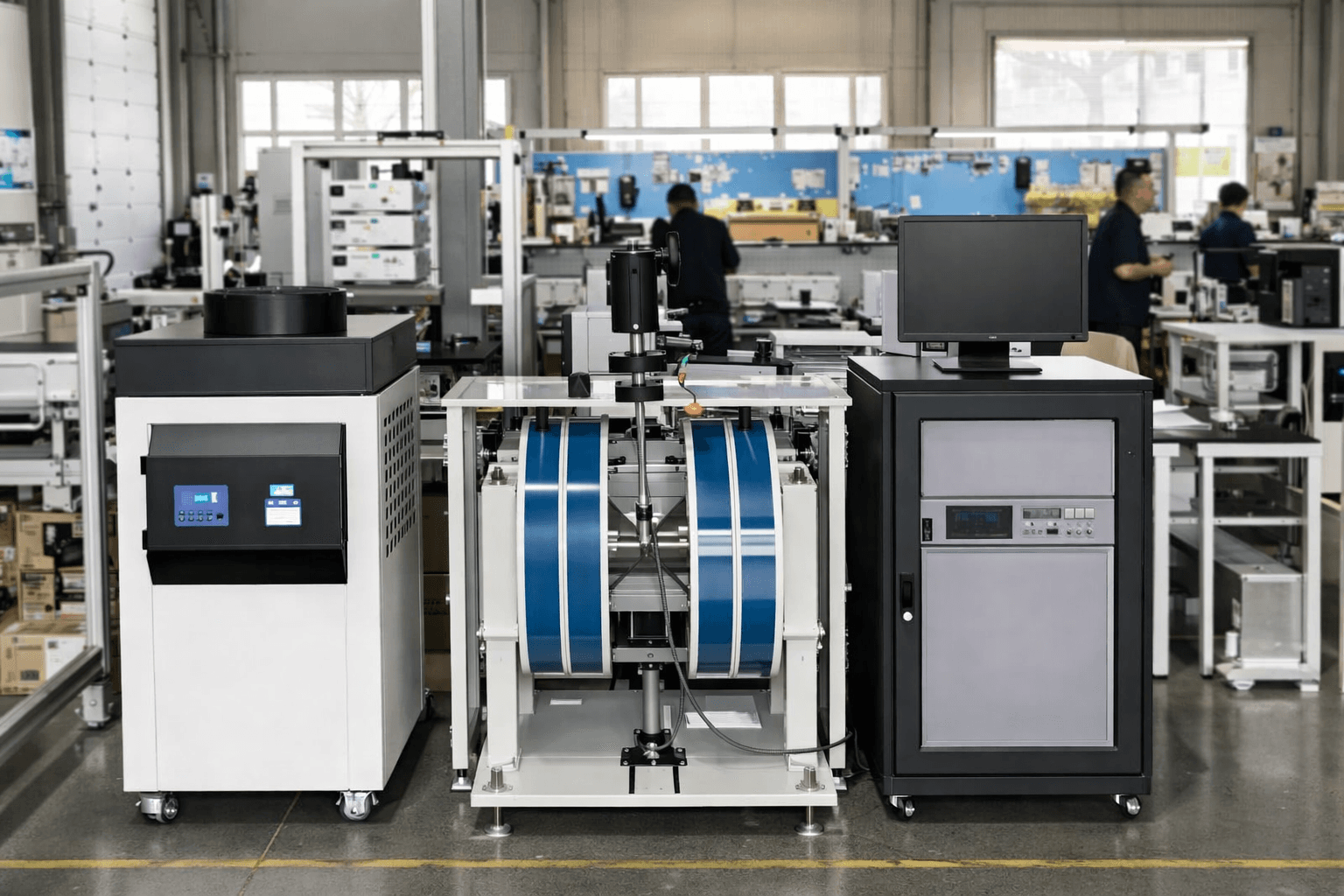
DXV-220 Vibrating Magnetometer VSM Equipment
Compact vibrating sample magnetometer for routine measurement of magnetisation curves and hysteresis loops in research laboratories.
View Details →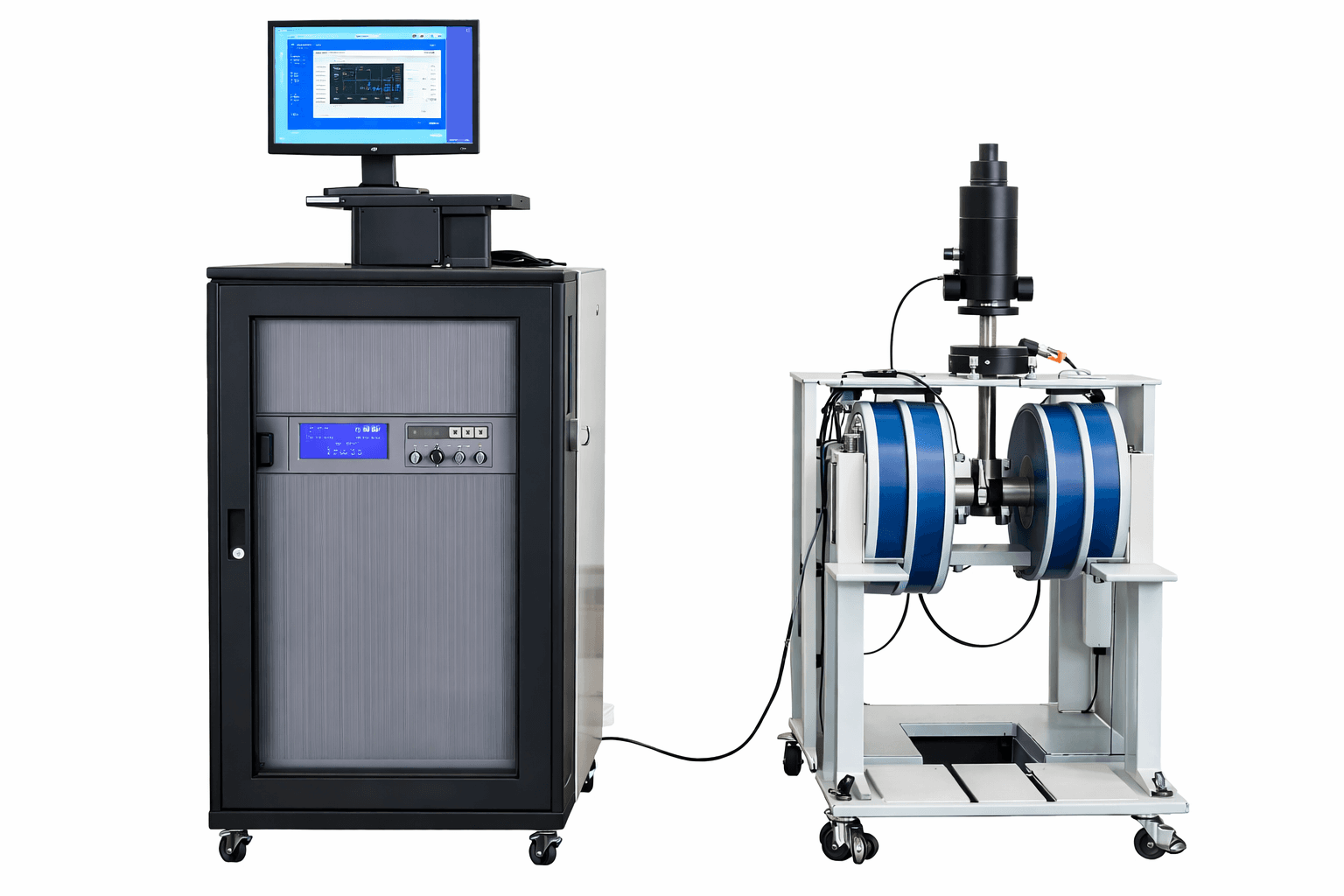
DXV-100 Laboratory VSM
Laboratory-scale VSM for characterising soft and hard magnetic materials with stable field control and flexible sample holders.
View Details →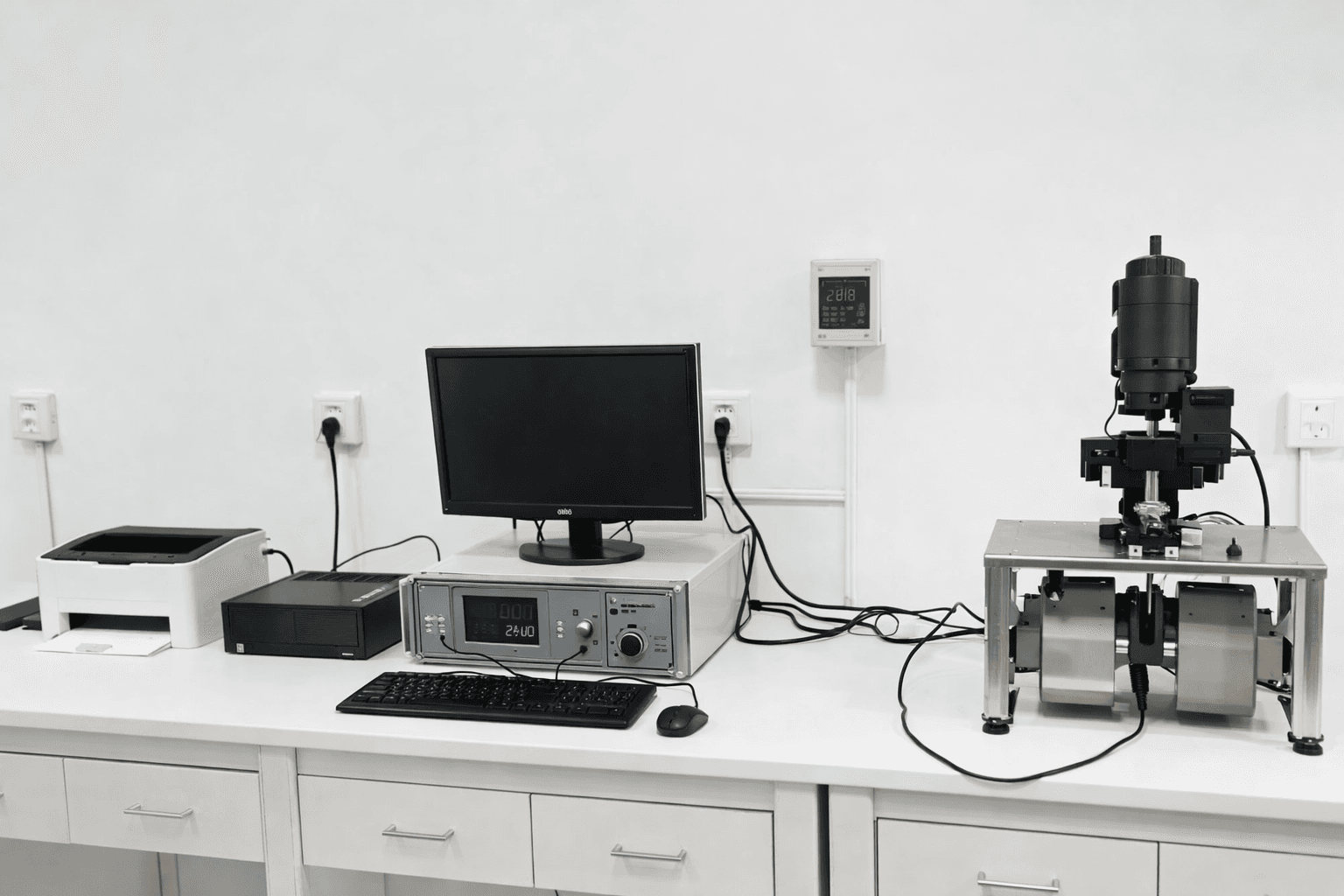
DXV Teaching & Research VSM
Educational and research-focused VSM platform tailored for academic laboratories and defence research applications.
View Details →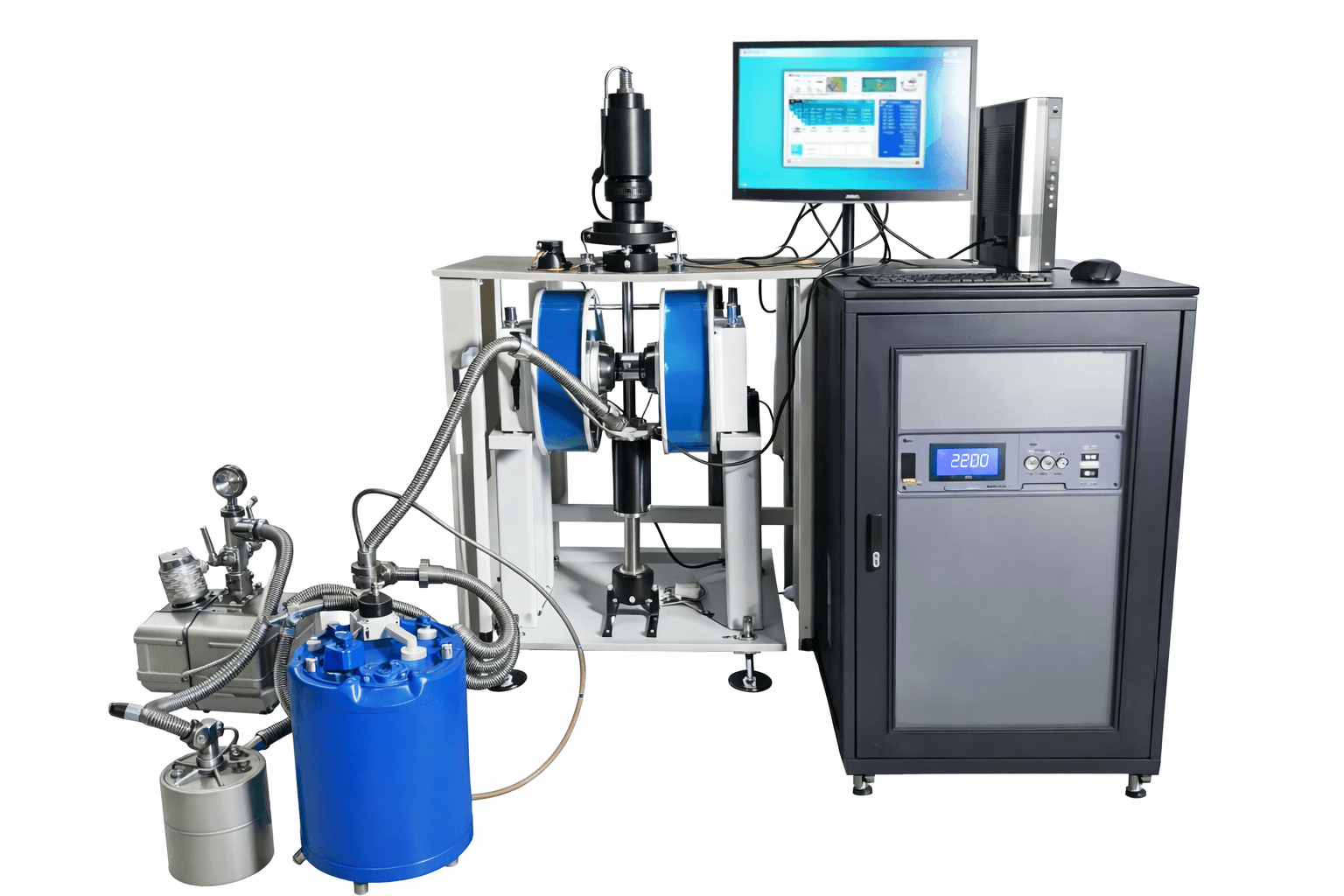
DXV-130 Vibrating Sample Magnetometry System
High-sensitivity VSM system for precise measurement of magnetic moment as a function of applied field.
View Details →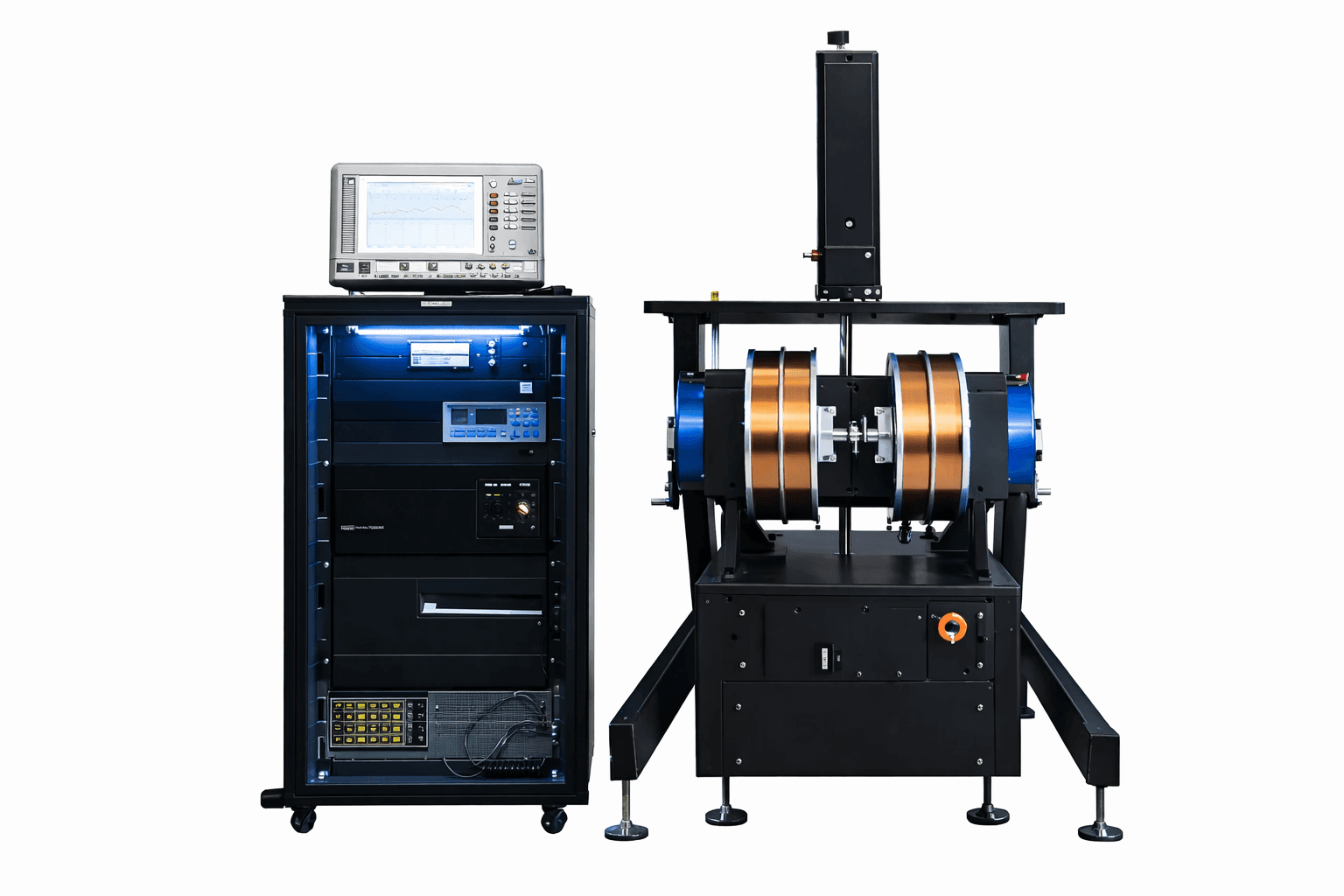
DXV-9000 Magnetic Moment Measurement Equipment
Premium VSM platform for advanced magnetic moment and hysteresis studies across a wide field and temperature range.
View Details →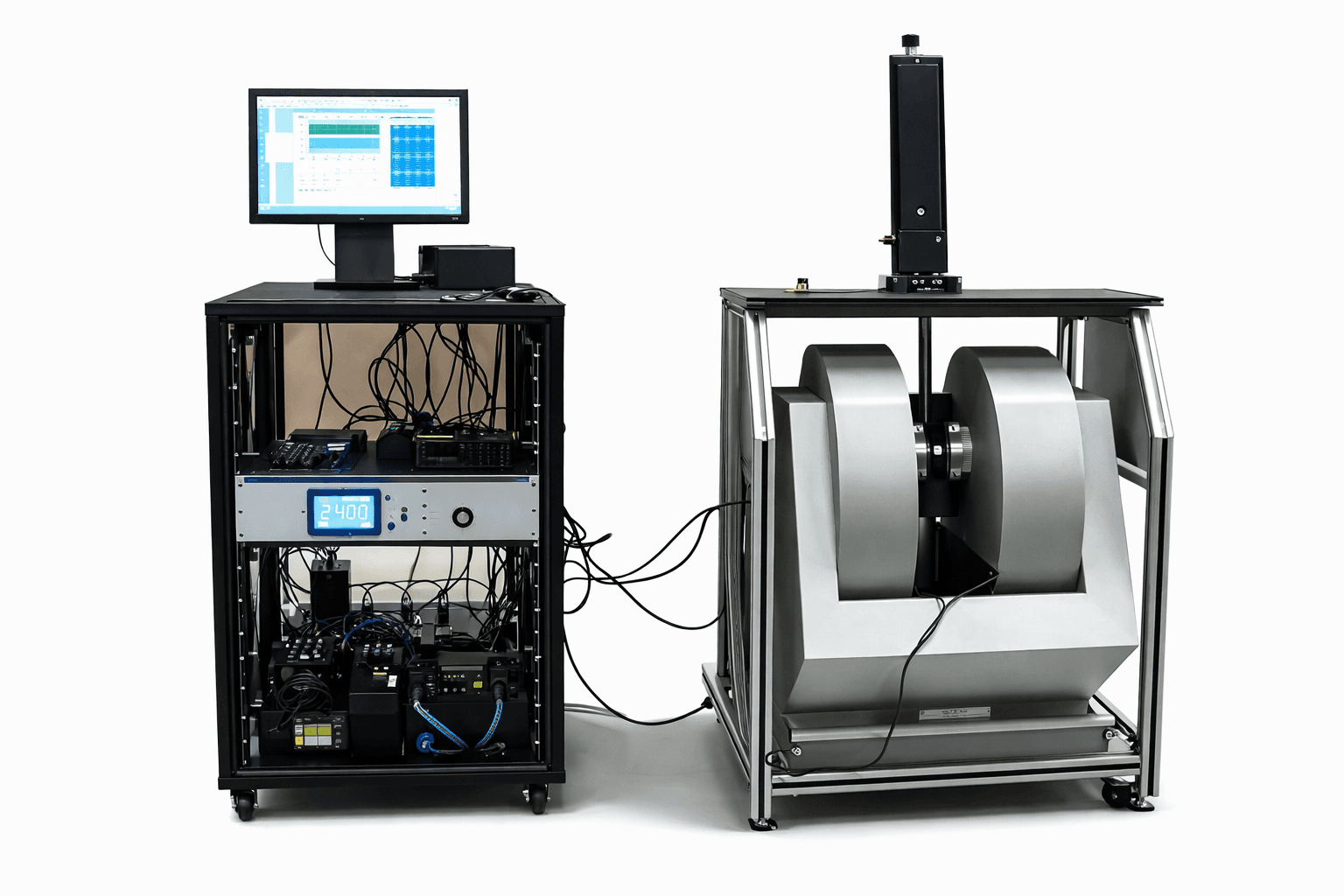
DXV-250 VSM with Temperature Control
VSM with integrated temperature control for studying magnetisation behaviour from low to elevated temperatures.
View Details →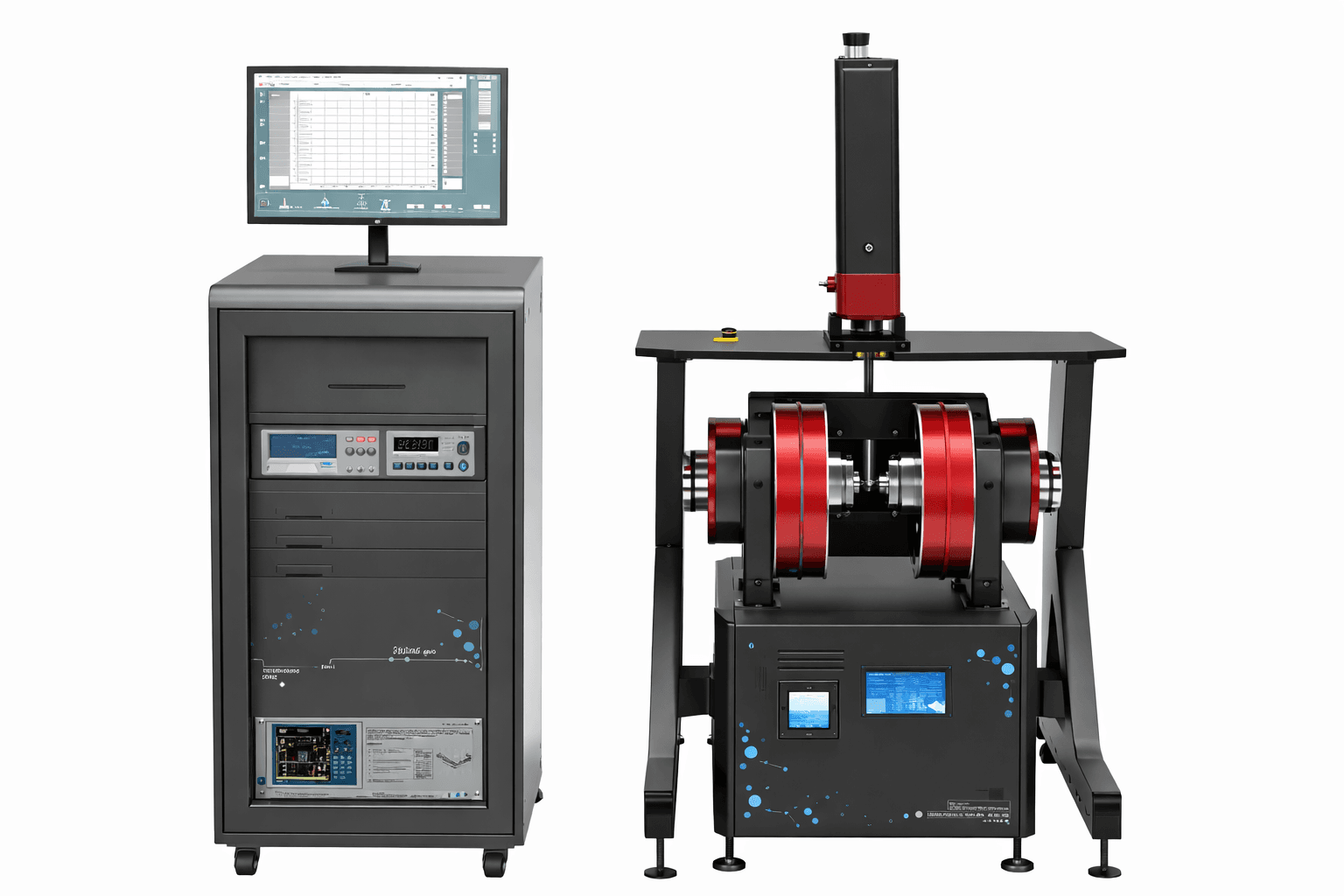
DXV-8000 Vibrating Sample Magnetometry System
High-performance VSM system designed for demanding magnetic materials R&D and production support.
View Details →VSM Measurement Principles
A Vibrating Sample Magnetometer (VSM) operates on Faraday's Law of Induction. By mechanically vibrating a sample at a constant frequency and amplitude within a uniform static magnetic field, the sample's magnetic dipole moment induces an electrical signal in stationary pickup coils. This signal is directly proportional to the magnetization of the material.
Core Capabilities & Applications
- Hysteresis Loops (M-H curves): Accurately map the relationship between induced magnetization and applied magnetic field to determine coercivity and remanence.
- Temperature-Dependent Magnetization (M-T curves): Analyze phase transitions, Curie temperatures, and thermal degradation of magnets using integrated high/low-temperature control systems.
- Material Characterization: Extensively used in researching thin films, nanowires, permanent magnets, magnetic recording media, and geophysical rock magnetism.
Unlike Hall Effect Measurement Systems which determine carrier concentration and mobility, VSM systems are specifically engineered to characterize the intrinsic macroscopic magnetic moments of materials.
Frequently Asked Questions
What is a Vibrating Sample Magnetometer (VSM)?
A Vibrating Sample Magnetometer (VSM) is a scientific instrument used to measure the magnetic properties of materials. By vibrating a sample inside a uniform magnetic field, it induces a voltage in pickup coils that is proportional to the sample's magnetic moment.
What parameters can be measured with a VSM?
A VSM can measure hysteresis loops, magnetization curves, coercivity, remanence, saturation magnetization, and magnetic moment as a function of both applied magnetic field and temperature.
What types of materials can a VSM characterize?
VSM systems can characterize a wide variety of materials including soft and hard magnetic materials, thin films, powders, liquids, superconducting materials, and magnetic nanoparticles.